Table of Contents
Flying doesn’t always mean owning an airplane. For many student and private pilots in Indiana, aircraft rental is a smart way to build hours, stay current, and enjoy the skies without the significant financial burden of ownership. But if you’ve ever searched “plane rental near me” and landed on a list of rates and policies, you’ll notice that the numbers don’t always tell the full story.
Here’s a clear breakdown of what you should expect. How much does it really cost to rent a plane? What are the aircraft rental requirements, and what kind of safety checks or rules do you need to know before you take the keys to a plane?
Why Rent Instead of Buy?
Buying an airplane is a dream for many pilots, but it’s rarely the most practical option. Insurance, hangar space, maintenance, and surprise repair bills add up fast. Renting, on the other hand, gives you flexibility. You can pick the aircraft type that suits your training or trip, pay only for the time you fly, and skip the long-term commitments.
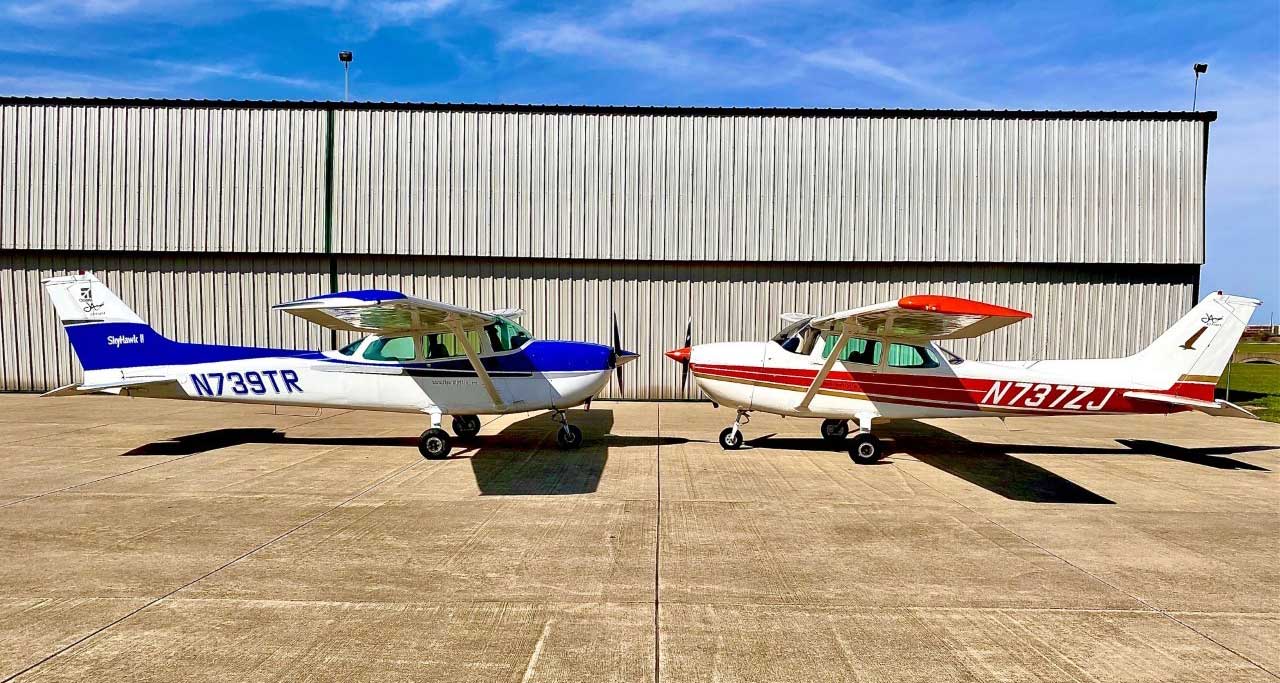
At Jeff Air Pilot Services, renting also connects you directly with our flight school fleet rental. That means you’re getting access to well-maintained aircraft, logbook endorsements when needed, and instructors available if you’re still in training.
What Does It Cost to Rent an Airplane?
One of the first questions pilots ask is the cost to rent a Cessna 172.
On average in the United States, the aircraft rental rates per hour for a 172 fall between $140–$190 wet. Wet means the price already includes fueling. A dry rate may look cheaper at first glance, but you’ll pay for the gas you burn, which can make the wet vs dry rental cost a wash or even more expensive depending on fuel prices at the airport.
Other factors also contribute to airplane rental costs. For example, the type of aircraft makes a difference, a basic Cessna 152 is usually more affordable than a complex or high-performance plane. Avionics upgrades, such as GPS or glass panels, often raise the hourly rate. Location matters as well, since rentals in the Midwest tend to be less expensive than in coastal metro areas. Finally, some schools add insurance requirements or extra fees, which can affect the total cost.
At Jeff Air, we maintain competitive and transparent rental rates. Our rates are straightforward, without hidden dry-plus-fuel charges.
Aircraft Rental Requirements
Renting an aircraft involves several key steps. You’ll need the proper pilot certificate for the aircraft you plan to fly, most single-engine trainers require at least a private pilot certificate. Both student and private pilots must also hold a valid FAA medical certificate.
In many cases, even experienced pilots complete a short checkout flight with an instructor. This is standard at most fixed-base operators (FBOs) and flight schools, ensuring you’re comfortable with the specific model and avionics. If it’s been a while since your last flight, expect to do a refresher flight to meet current requirements, which often follow the FAA’s 90-day takeoff and landing rule.
Some operators also request renter’s insurance, which can cover liability or hull damage. While it does add to the cost, it’s an important safeguard. Student pilots are also allowed to rent, but only under the supervision of a certified flight instructor (CFI). This makes student pilot aircraft rental an excellent way to log additional practice hours.
Safety Standards Before You Fly
Flying rented airplanes should feel just as safe as flying your own. But that only happens if you’re picky about where you rent. Here’s what to look for:
- Aircraft maintenance and safety standards – Ask how often inspections are done. FAA requires 100-hour inspections on aircraft used for instruction or rental.
- Aircraft rental agreements – Read the fine print. Know who pays for what if something breaks.
- Preflight inspections – Even if the FBO says the plane is ready, do your own safety checks before renting a plane. Look for fuel quality, oil levels, tire wear, and control surface movement.
- Instructor availability with rental – If you’re new to a plane or flying cross-country, having an instructor available builds confidence.
- Flight club vs FBO rental policies – Clubs often have lower hourly rates but require membership dues. FBOs may charge a bit more but keep a wide range of aircraft on hand.
At Jeff Air, every plane in our fleet is maintained to FAA standards, and our instructors conduct thorough checkout flights with new renters to ensure you feel comfortable and safe.
Reducing Costs Without Cutting Corners
Flying can be expensive, but there are ways of reducing costs while keeping things safe:
- Time building with a buddy – Split cross-country trips with another pilot. Both the log time and the rental cost are shared.
- Block rates – Some schools offer discounts if you pay for multiple hours upfront.
- Choosing the right aircraft type – For basic practice, a simpler aircraft such as a 152 is often the more cost-effective choice.
- Stay current – Gaps in flying can result in extra checkout flights or instructor time, leading to additional costs.
Local Angle: Aircraft Rental in Indiana
If you’re searching for aircraft rental in Anderson, Shelbyville, or the Indianapolis area, Jeff Air Pilot Services makes the process straightforward. Our Cessna 172 fleet is available for private plane rental, discovery flights, or building hours toward advanced ratings.
As a local flight school provider, we offer more than just aircraft keys. You’ll also have access to instructors, structured training programs, and a supportive team that knows your name. That’s a level of service you won’t always find at larger, less personal FBOs.
Aircraft rental gives you the freedom of flying without the headaches of ownership. Whether you’re a student pilot looking for extra practice or a private pilot planning a cross-country trip, Jeff Air Pilot Services has the aircraft and instructors to help you take off with confidence.
Contact us today or stop by our Anderson or Shelbyville locations to learn more about our fleet and rental rates. The sooner you get started, the sooner you’ll be in the left seat.
FAQs Section
How much does it cost to rent a Cessna 172 per hour?
Rates vary across the United States but expect $140–$190 per hour wet. That means fuel is included.
Do I need renter’s insurance to rent a plane?
Not always. Some schools cover you under their policy, but many recommend renter’s insurance. It protects you and the school in the event of an incident.
Can student pilots rent airplanes?
Yes, but only with a CFI. Solo rentals typically require a minimum of a private pilot certificate.
What is a rental checkout flight?
It’s a short flight with an instructor to prove you can safely operate the aircraft. Think of it as a driving test, but for airplanes.
What’s the difference between wet and dry rental costs?
Wet includes fuel. Dry looks cheaper until you fill the tanks.